
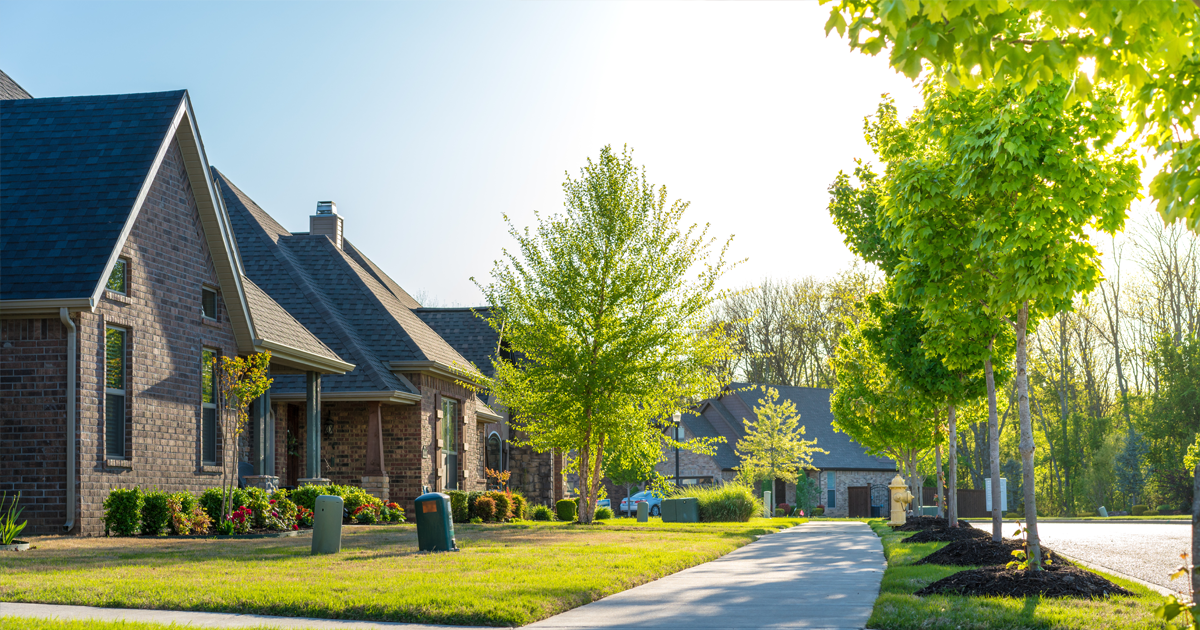
You can’t list it on the MLS, but buyers know the feeling of community when they experience it. It’s borrowing sugar from a neighbor, walking to get coffee on a Saturday morning and welcoming the local farmers’ market every spring. It’s a sense of belonging and the security knowing you’re among friends.
Living in a community with access to all its perks appeals to a buyer’s desire for authentic connection. Today, people are weighing more than square footage and finishes — walkability and community events have also become powerful decision-makers. Homes don’t just compete on price anymore. They compete on lifestyle.
Emphasize Everyday Convenience
Walkable neighborhoods offer buyers simplicity and convenience. Being able to get to a park, café, library, or local shop on foot turns errands into experiences and encourages spontaneous interactions that make a place feel safe and alive.
From a buyer’s perspective, walkability also suggests stability. Sidewalks, nearby amenities and thoughtfully planned streets often signal a well-established area with long-term appeal. A neighborhood designed for everyday living means morning routines, evening strolls and weekends when the car might not be used at all. It’s the American ideal, and the right real estate agent will make it a reality.
Highlight Local Events
Neighborhood events cultivate belonging, and participation fosters purpose. Block parties, seasonal festivals, outdoor movie nights, and holiday celebrations in the park transform streets into shared spaces. A neighborhood with visible traditions feels welcoming, active and human. It signals that people don’t just live nearby — they show up for each other.
Listings in communities with recognizable events give potential buyers an immediate sense of familiarity and comfort. Buyers remember the place where the street shuts down for a summer cookout or where the town square fills up every weekend morning. Those memories linger long after a showing ends.
Feature Community as a Lifestyle Upgrade
Today’s buyers are increasingly value-driven. They’re thinking about well-being, balance and connection along with resale value. Walkability supports healthier routines. Neighborhood events support social connection. Together, they offer a better quality of life.
Homes in connected communities often sell faster. Buyers aren’t comparing them solely against other houses — they’re comparing them against where they want to be in life. In competitive markets, that distinction matters.
Focus Your Marketing
Effective listings and neighborhood descriptions spotlight the five-minute walk to coffee, a park that’s always bustling with activity or a calendar filled with local events. Those details help buyers mentally move in long before they ever make an offer.
The agents who stand out extend that same thinking to their own marketing. Through newsletters with content that’s personal, relatable and useful, you’ll show up as part of the community — not just another professional talking at people. That’s what sets you apart and builds trust.
Bottom Line
Being a community expert is the competitive edge that can’t be earned overnight. It’s built slowly, lived in daily, felt immediately, and it just might be the reason you’re outselling all the other agents in town. Start here by downloading the Agent Action List.
