
What Buyers Really Mean When They Say It Feels Right
There’s a moment buyers struggle to explain. They walk through the front door of a home for sale, pause and say, “This just feels right.” It’s not always about square footage, finishes or price. It’s something less tangible and far more powerful.
It’s the point where design meets desire. And for agents, understanding it can be the difference between a showing and a sale.
Buyers don’t experience a home like a checklist. They experience it emotionally. Research from the National Association of Realtors (NAR) consistently shows that how a home looks and feels plays a major role in buyer interest, while studies from the National Association of Home Builders reinforce that layout, flow and natural light strongly influence buyer preference.
When a space feels open but not empty, and styled but not overly staged, it allows buyers to see themselves living there. That connection is what turns interest into action.
The Power of Imagined Living
When buyers say a home “feels right,” what they often mean is, “I can picture my life here.” According to the NAR, 81% of buyers’ agents say staging makes it easier for buyers to visualize a property as their future home.
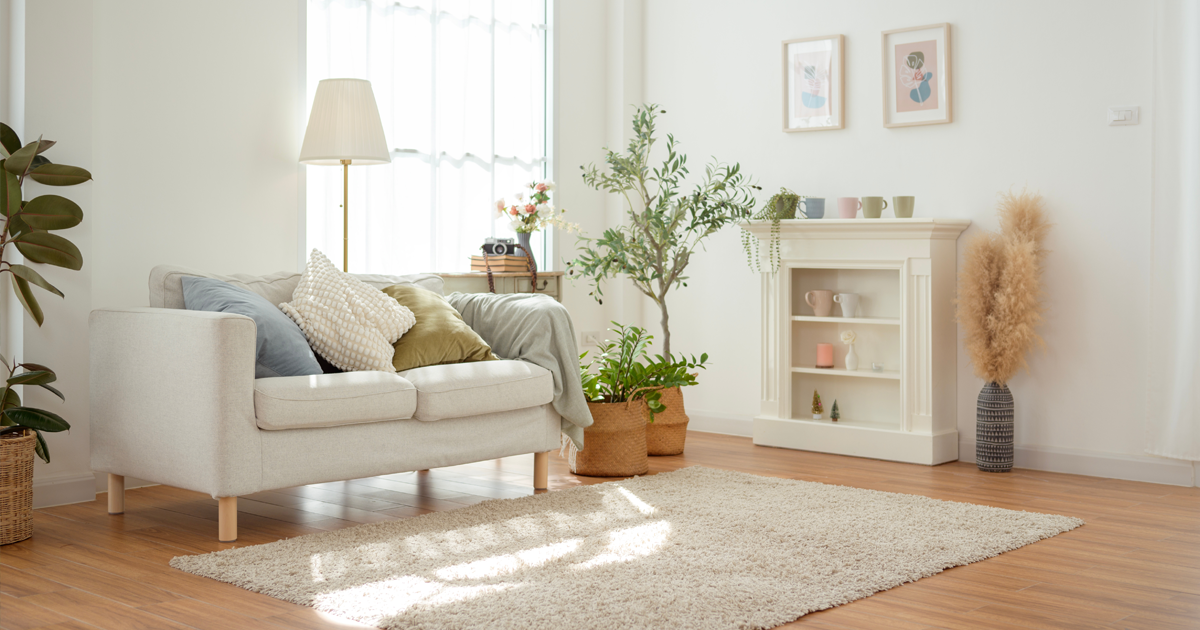
A comfy chair suggests where morning coffee happens. A styled kitchen evokes a sense of familiarity. A cozy living space invites quiet evenings. These cues help buyers mentally move in before they’ve even made an offer.
Clutter and too many personal items, on the other hand, interrupt that vision. They remind buyers they’re in someone else’s space—making it harder to form a connection.
Why Staging Works
Staging is less about decoration and more about direction. In fact, NAR reports a majority of buyers’ agents say staging influences how buyers perceive a home—and can even increase its perceived value.
When done well, staging guides the eye, defines the purpose of each space and highlights a home’s best features. It removes obstacles and allows buyers to focus on how a home feels, rather than what needs fixing.
- Furniture placement creates flow
- Neutral palettes increase appeal
- Thoughtful décor adds warmth
It doesn’t take a full redesign to shift perception. Often, small, intentional changes make the biggest difference.
- Let natural light in wherever possible
- Simplify surfaces and remove excess décor
- Add texture with pillows, soft throws and greenery
- Create defined spaces that show purpose
These updates improve appearance while also creating a sense of ease, balance and livability.
Bottom Line
Buyers may not remember every detail of a home, but they will remember how it made them feel. That emotional response is what drives decisions. It’s a pattern backed by both industry data and behavioral research: when buyers feel a connection, they act on it.
For agents, this is an opportunity. Sharing before-and-after staging photos, offering a simple Home Harmony Checklist or sending a well-timed postcard can reinforce that connection and keep your listings top of mind.
Because in the end, homes aren’t just bought — they’re chosen. And when design aligns with desire, the decision becomes easy.
